





Topanga, we need to talk.
We need to talk about the poison we’re putting out around our homes and businesses, the wildlife we’re unintentionally harming, and the idea that we can solve one problem without creating another.
We know the frustration. Rats in the walls. Wires chewed through in cars. Rodents nesting in air-conditioning ducts, raiding garbage cans, and finding their way into kitchens. These are real problems, and no one is suggesting we simply learn to live with them in our homes and places of business.
But before we reach for a rodenticide bait box, we need to ask ourselves a bigger question: What else are we poisoning when we poison a rat?
Because here in Topanga, we don’t live apart from nature. We live within it.
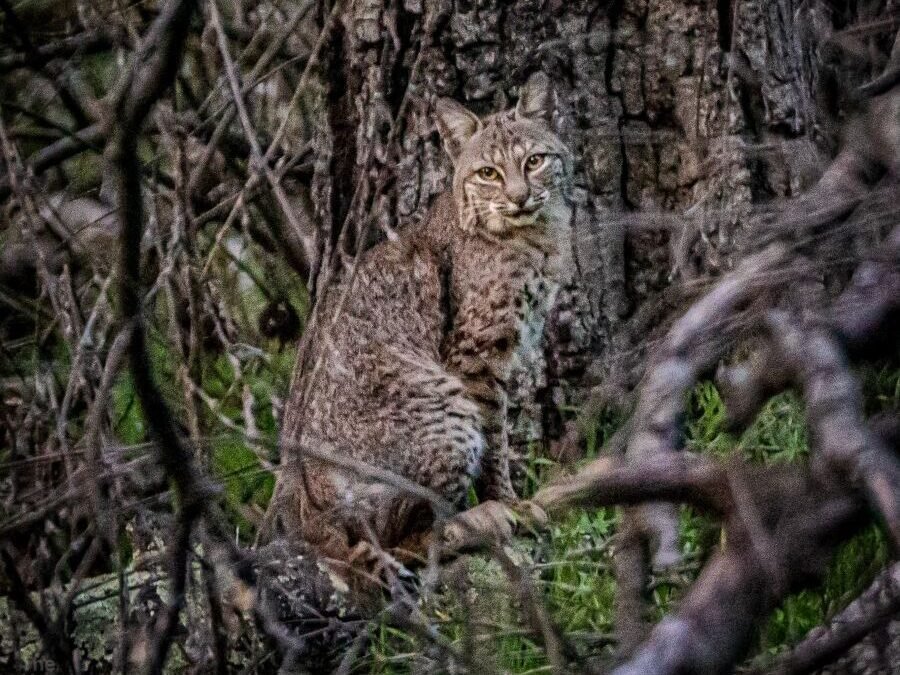
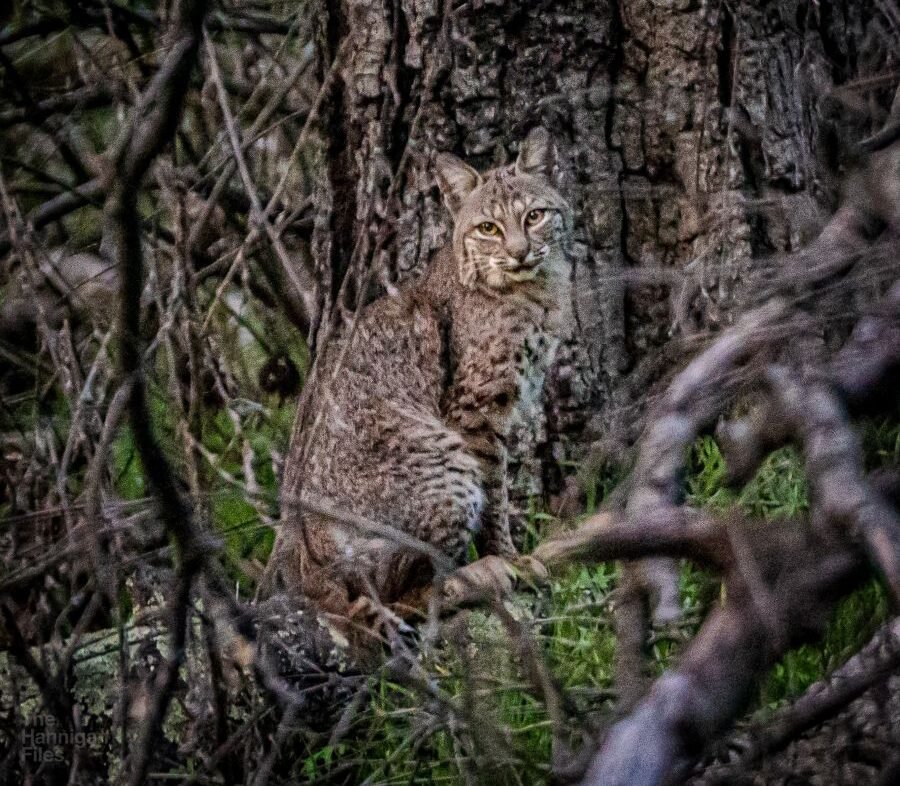
The owls calling from the oaks, the hawks circling overhead, the bobcats moving through the brush, and the coyotes traveling our ridgelines are not just beautiful features of canyon life. They are part of a complex, interconnected ecosystem. Rodents are part of that ecosystem, too. They are a primary food source for the very animals that help keep their populations in check.
Nature has its own pest-control system. And we are putting it at risk.
Secondary Poisoning
When a rodent consumes an anticoagulant or neurotoxic rodenticide, the poison doesn’t necessarily end with that animal. A poisoned rodent can become easy prey for an owl, hawk, bobcat, coyote, or other predators. When that predator eats contaminated prey, the poison accumulates in its body, sometimes with devastating consequences.
This is known as secondary poisoning, and it is one of the reasons rodenticides pose such a serious threat to wildlife.
Here in Topanga, this isn’t just a distant environmental concern. Topanga Animal Rescue reported to us that the testing of injured or deceased bobcats found in Topanga and the Santa Monica Mountains over recent years has shown that 75 percent of those tested were positive for rodenticides. That is a sobering finding. It suggests that exposure to rat poison has become a serious concern for the very wildlife that shares our canyon.
There are also recent reports of an increase in poisoned animals in the neighborhoods of Grandview, Entrada, and Artique. These reports are a reason for all of us to pay closer attention to what is being used in and around our homes and businesses, and to consider the consequences that may extend well beyond our property lines.
The problem isn’t confined to a single property. Poison placed beside one house or business can affect an animal that hunts across an entire canyon. One bait box can become part of a much larger chain of exposure, reaching animals that never came anywhere near the original source of the poison.
There is no such thing as a private transaction between a homeowner and a rat when the rest of the food web is involved. And the consequences can be difficult to see. We may never know that the owl which stopped calling from a familiar tree, the hawk which no longer circles overhead, or the bobcat we haven’t seen in months has been affected by the poisons we put into the environment.
Wildlife doesn’t always die where we can find it. The harm can be quiet, scattered, and easy to overlook.
But invisible doesn’t mean harmless.
If we lose the predators, the problem becomes worse.
Imagine a Topanga with fewer owls, fewer hawks, fewer bobcats and coyotes.
Now imagine the rodents are still here.
Owls are among nature’s most effective rodent hunters. A single owl family can consume as many as 4,000 rodents in a year. Think about that: thousands of rodents removed from the food web naturally, without bait boxes or toxic chemicals. When we expose owls and other predators to rodenticides, we risk undermining one of the most valuable natural checks on rodent populations.
Poisoning predators doesn’t guarantee fewer rodents. In fact, removing animals that naturally prey on rodents can undermine one of the ecological checks that helps keep their populations in balance. It can cause a rodent population increase on the property using the poison as rodents have litters every 3-4 weeks, which is faster than poison can kill them. And now, you have also killed the natural predators via secondary poisoning. Rodent populations are influenced by many factors, including food, shelter, reproduction, and other predators, so the outcome isn’t as simple as replacing one animal with another.
But the contradiction is clear: we can harm the wildlife that helps control rodents while continuing to create the conditions that allow rodents to thrive.
As long as our homes and businesses offer easy access to food, garbage, water, and shelter, rodents will have reasons to stay. And if we respond by putting out more poison without addressing those underlying conditions, we risk repeating the same cycle.
More rodents. More poison. More wildlife at risk.
Is that really the future we want for Topanga?
Look for alternatives.
Protecting wildlife does not mean ignoring rodent problems. It means addressing them in ways that are effective, responsible, and less harmful to the ecosystem we all share.
It also means understanding that the law has changed. California has enacted significant restrictions on anticoagulant rodenticides. California Food and Agricultural Code § 12978.7 prohibits many uses of these products, including most residential uses of certain anticoagulant rodenticides, subject to specific exceptions. Additional restrictions took effect in 2024 and 2025. Violations can carry substantial penalties, including civil penalties of up to $25,000 per day for violations covered by the law. The rules depend on the active ingredient, the setting, and any applicable exceptions, so residents and pest-control professionals should check the current requirements rather than assume a product is legal for a particular use.
And here’s an important distinction: some rat poisons may still be legal for certain uses such as bromethalian, a neurotoxin. That does not make them wildlife-safe. Legality is not the same as a lack of risk to owls, hawks, bobcats, coyotes, and other animals that may eat poisoned rodents.
So what can we do?
It starts with prevention: sealing holes and gaps around buildings, securing garbage and compost, installing screens on doors and windows, storing pet food and birdseed in rodent-resistant containers, cleaning up fallen fruit, and eliminating easy access to food and shelter.
It means using exclusion and other non-poison approaches to keep rodents out of our homes, rather than relying on toxic bait as the first line of defense.
And when a rodent problem requires professional help, it means asking for an integrated pest management approach that prioritizes prevention, exclusion, monitoring, and nonchemical controls. Ask pest-control professionals specifically about wildlife-safe methods, and don’t assume that a product is safe for wildlife simply because it is sold for residential use.
No single solution will prevent every rodent problem. But we can make better choices, reduce the conditions that attract rodents, and avoid adding unnecessary toxic threats to the food web.
We can protect our homes without sacrificing the animals that make this place special.
Living in Topanga is a privilege and a responsibility.
We live here because Topanga is more than a place to sleep at the end of the day. It’s the canyon itself: the oak trees, the open hillsides, the night sounds, the wildlife that moves through our yards and across our trails.
That natural world is part of our community, even when we don’t see it. It doesn’t recognize property lines, and it can’t distinguish between poison intended for a rat in one backyard and the contaminated prey it encounters in the next.
The choices we make on our own properties can have consequences far beyond them.
So before putting out another bait box, we ask you to pause. Consider what the poison can do beyond its intended target. Consider the owl hunting after dark, the hawk searching the hillside, the bobcat moving through the brush, and the coyote crossing the road at dawn.
Consider what it means to protect a home or business if the methods we use to do so threaten the very ecosystem that surrounds it.
Topanga Wildlife Protectors, a local group of Topangans working on an outreach and education campaign to address the recent uptick in poisoning deaths reported, believes we can find a better balance. We can take rodent problems seriously while taking wildlife protection seriously, too. We can make informed decisions, choose less harmful methods, and help our neighbors understand why these choices matter. We encourage you to help us spread the word, get involved, and support our Topanga campaign by visiting bit.ly/topangawildlife.
Let’s keep our homes protected, our food webs intact, and our canyon alive with the wildlife that belongs here.
Because if we poison the predators, we risk losing some of nature’s best allies against the very pests we’re trying to control.
And once they’re gone, we may discover that the problem was never just the rats.
To learn more about poison alternatives, visit: PoisonFreeMalibu.org, @poisonfreetopanga and TopangaAnimalRescue.org
With care for our homes, our wildlife, and the canyon we share,
Topanga Wildlife Protectors
An Open Letter from Topanga Wildlife Protectors
