


I’ve read some rather quirky books this year; the sort requiring a bit of marinating before the ruminating.
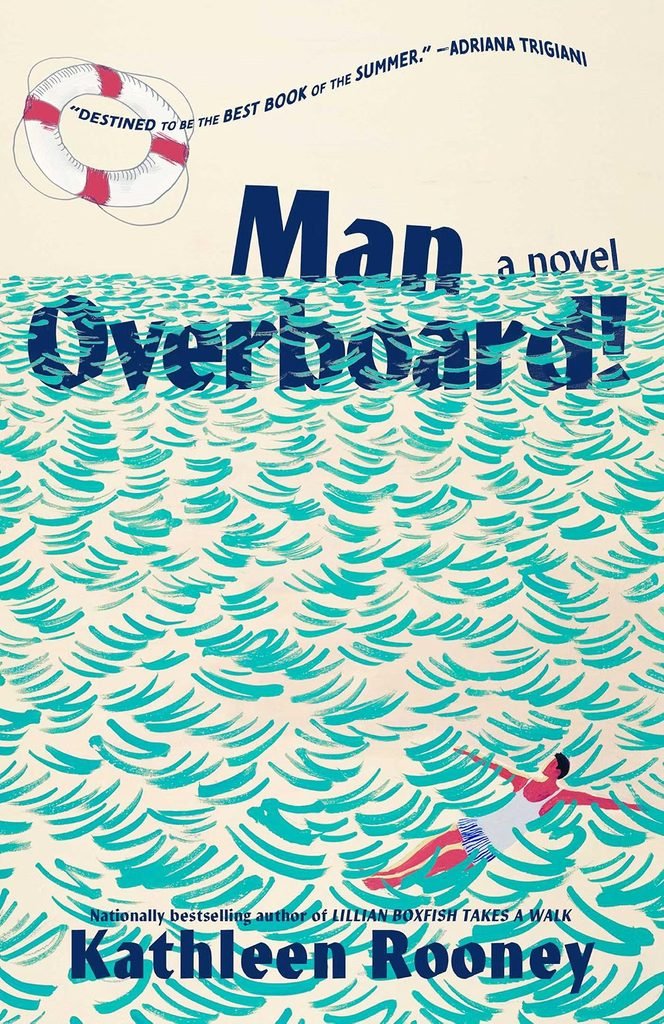
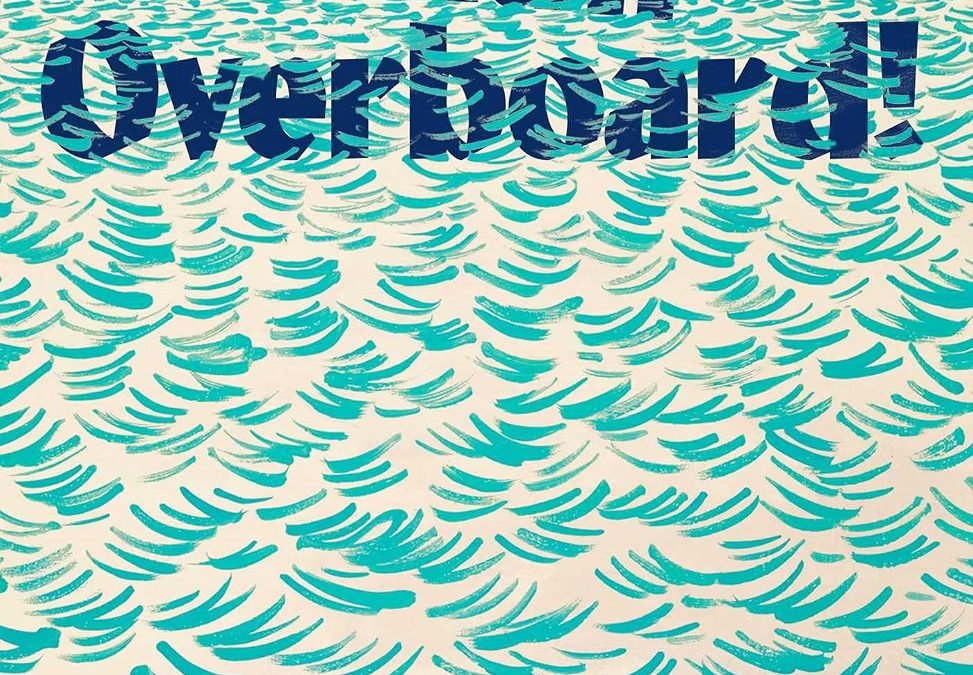
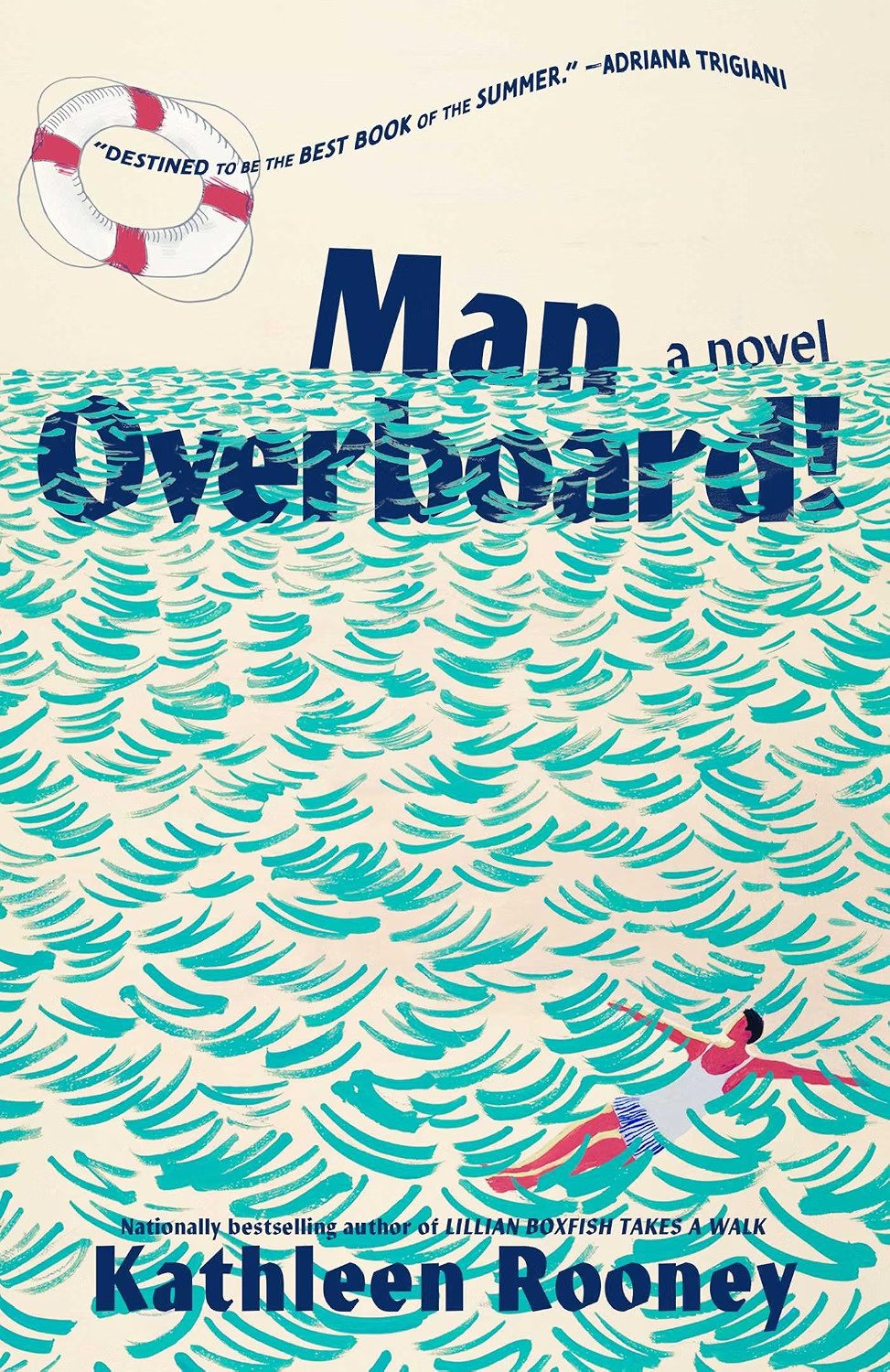
In Man Overboard! (2026) by Kathleen Rooney, a former college swimmer, tellingly named Patrick “Kick” Kilpatrick, “disembarks” from a cruise ship while the ship is still at sea. While the splashdown sobered him up quickly, the free-flowing alcohol on adventures such as these seems to have left Kick not quite understanding exactly how it came to be that he ended up in the water. His initial despondency suggests, though, that suicide was at least on his mind while the more time he spends staying afloat, the more he convinces himself that life is maybe worth living after all.
It is no coincidence that the story is set during a Thanksgiving cruise, a time of year when many of us interact with family members that this holiday seems to require. As Kick ponders his brother-in-law, his father and mother, and an old girlfriend, his musings slowly develop into a treatise on the modern world’s isolationist tendencies, both political and social. As the wry humor belies Kick’s predicament, the familial commentary strikes home for those of us with burdensome relationships in our lives…meaning all of us.
If a man floating in the ocean paddling for his life seems an odd situation to provoke hilarity, and you are the type of person that tends to laugh in the face of adversity, check out How to Dodge a Cannonball (2025) by Dennard Dale. The laughs in this one come directly from the battlefields of the American Civil War.
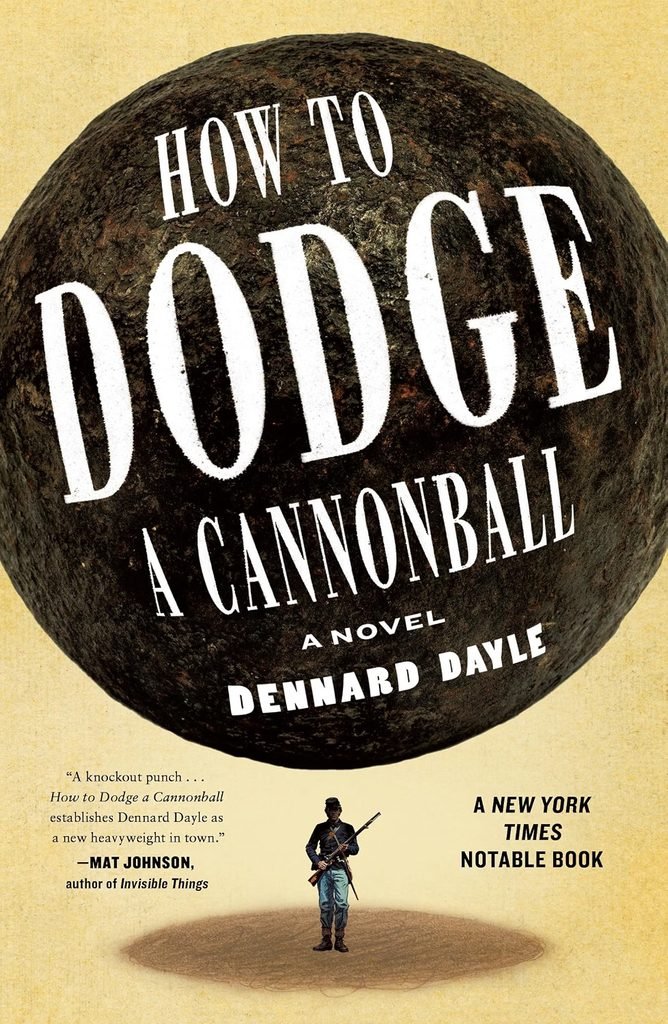
To get away from his abusive mother, a white teenager named Anders enlists in the Union Army as a flag-twirler. After surviving a battle and then being captured by the Confederacy, Anders plots his escape by taking on the identity of a Confederate soldier. Fighting under Robert E. Lee at the savagely chaotic Battle of Gettysburg, Anders once again switches sides, this time by donning the uniform of a fallen Black soldier in an all-Black regiment. In this new role, and as racial commentary, Anders claims that he is an octoroon, one-eighth Black which, in the eyes of the larger society, as Black as he needs to be to be Black.
Perhaps the largest question of How to Dodge a Cannonball swirls around the idea of loyalty to a flag. As Anders finds himself on one side and then the other and then back again—only passing for Black now—interacting with some of the pronounced figures of the era, seeing the war through many eyes, black and white, blue and gray; readers examine the conflagration of civil war through many eyes and ears.
Questions along the way jar patriotic sensibilities: What does it mean to die for your country? What does it mean to salute a flag? What does it mean to kill a stranger who salutes a flag not your own? Many of the answers reveal the critically damaging mistakes that our nation has inflicted upon itself; blood and treasure sacrificed in the incoming assault of an eight pound ball of iron.
The very thing that allows the humor to break through in Dale’s insightful book is, on its face, the simple absurdity of settling our differences with so much carnage. This is satirical social commentary at its finest, albeit with the dark undertones of an era whose echoes reverberate so loudly today.
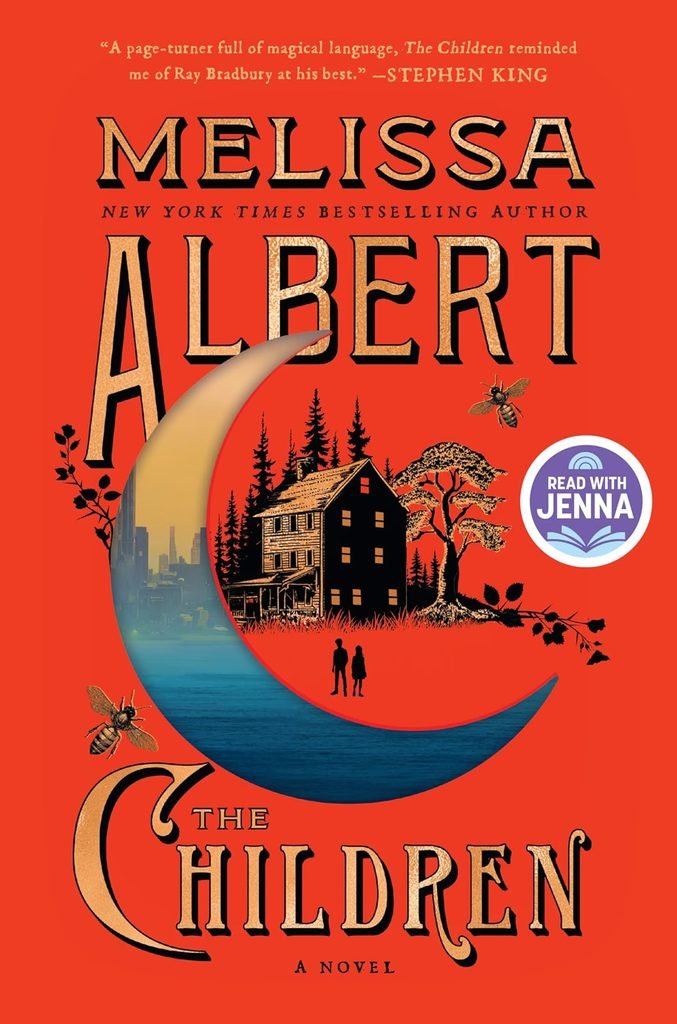
In The Children (2026), renowned children’s author Melissa Gilbert has written her first novel intended for adults; a story about a children’s author named Edith whose main characters—from a five-part series called The Ninth City—are the author’s own children, Guinevere and Ennis. The story unfolds along three timelines; 1998-2004 or so, when the children are growing up in an isolated wood where their only friends are each other and where their popularity turns the isolated “Farmhouse” into a pilgrimage destination for a wide collection of bohemians, artists, writers, painters, and more.
During the modern day timeline, we discover that growing up celebrities—as inked by their mother’s pen—seems to have arrested Guinevere and Ennis’ development. In these moments we also discover that something horrible has happened which alienated the once inseparable children. The third track includes a variety of in-between moments that slowly tease their way into the broader story.
Also creeping into the narrative are the magical elements of the fictional Ninth City series; although frequent dream and sleep sequences mysteriously fog over what is real and what is not. This is not the type of book I usually read but I could not have been more pleased with giving it a go. You see, I didn’t really become an avid reader until high school and my interest developed around books for grown-ups; which means I skipped over the time in my life when children’s books may have appealed to me. After reading The Children, I am now, for the first time in my life, wondering just what it was that I missed.
Letting us know early on that this one contains a shadowy side, Albert closes Chapter One of The Children by reminding that each and every one of us was once a child, while the circumstances of our lives dictate what becomes of that younger self. As the best-selling author writes, “[t]he children who grew up on [The Ninth City] books and reread them later often say the same thing: These are darker than I remember. Crueler, stranger, more haunted by longing and loss. All good children’s books are.” Yes, I most certainly missed something.
Two other books I really enjoyed this year fall into that category I often favor most: historical fiction where the history far outweighs the fiction; an appreciation I first developed with James Michener’s Hawaii (1959) in the high school days I mentioned above.
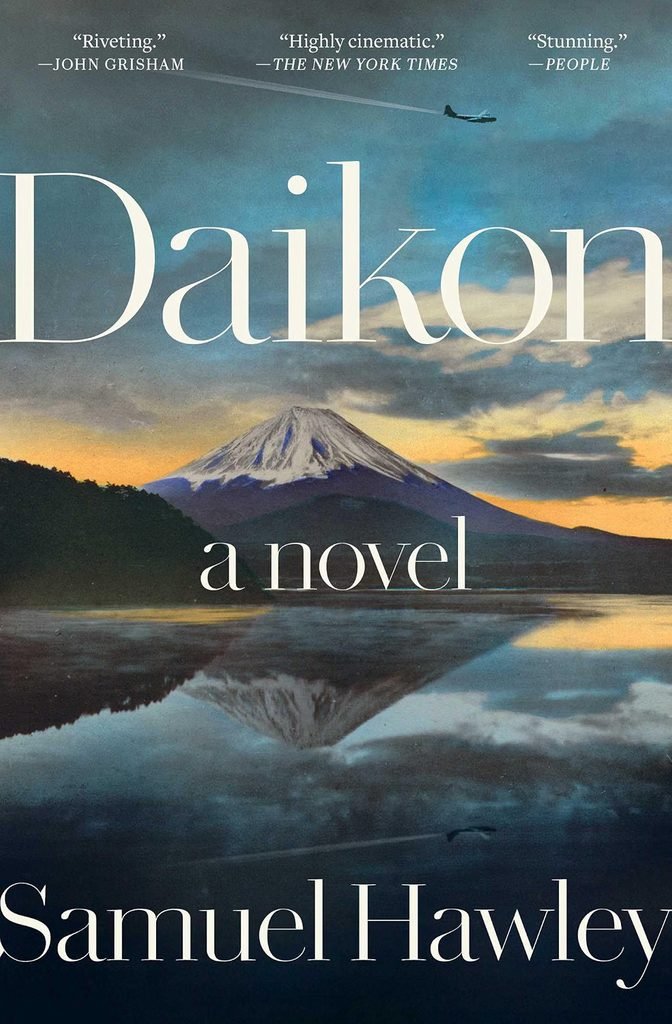
The first is Daikon: A Novel (2025) by Samuel Hawley. Set primarily in post-World War II Japan, this one includes some devastating descriptions of Tokyo. Often eclipsed by the horror of the atomic bombs dropped on Hiroshima and Nagasaki, the fire-bombing of Tokyo through several months of 1945 led to more casualties than were wreaked by those A-Bombs.
The fictional premise in Daikon is that the US sent three atom bombs to Japan instead of only two; and the third falls into the hands of the Japanese. The existential nature of defeat held by the Imperial Japanese Army leads to some terrifying potential outcomes if the United States doesn’t back off.
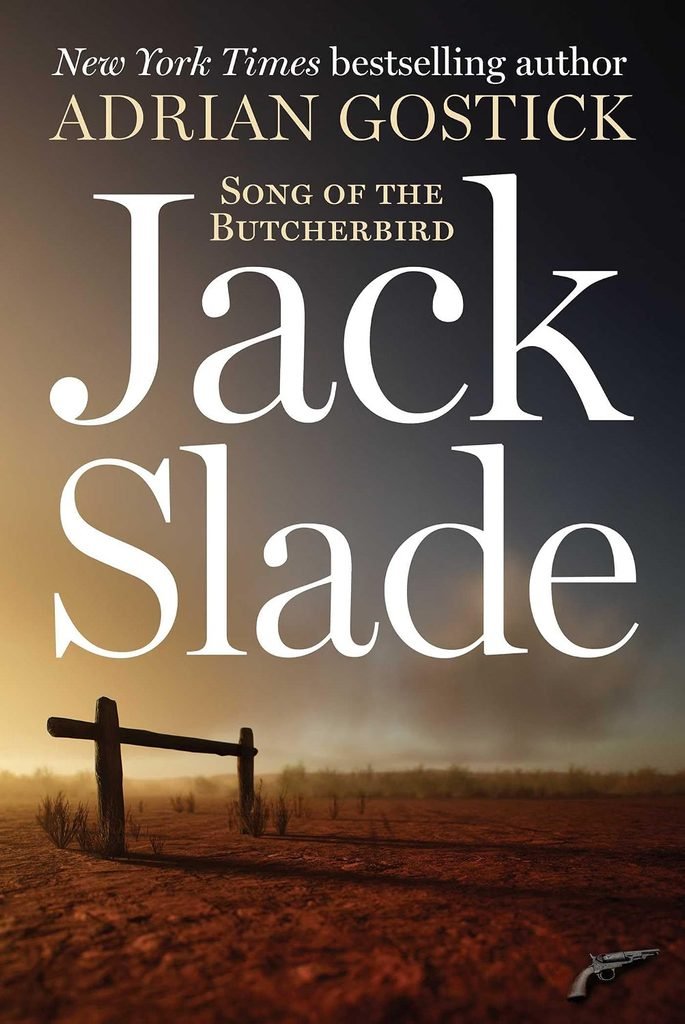
In Jack Slade: Song of the Butcherbird (2026) by Adrian Gostick, the historical and titular Slade turns the traditional mid-nineteenth century Western on its head. The trope of many Western stories has the lone bad guy in a black hat – along with a few nefarious companions—terrorizing the good-hearted people of a remote Western settlement. In Gostick’s more realistic telling, the fiercely individualistic characteristics needed to survive the travails of the frontier are those same characteristics that lead to greed and selfishness. The result is that one of only a few white hats in Jack Slade is the one on Slade’s head; enforcing the law in the early 1860s as the country becomes connected east to west through the Pony Express, years before the transcontinental railroad.
Jack Slade’s reputation as a gunfighter is built upon a myth as well. The stories of his exploits were largely the fabrications of a people hungry for adventure, or at least a bit of proximity to it. Being seen as a brutal gunslinger didn’t hurt, either, especially when the bullets really began to fly. In one instance, Slade is ambushed, shot several times, and then miraculously survives; this kind of thing doesn’t hurt one’s reputation either.
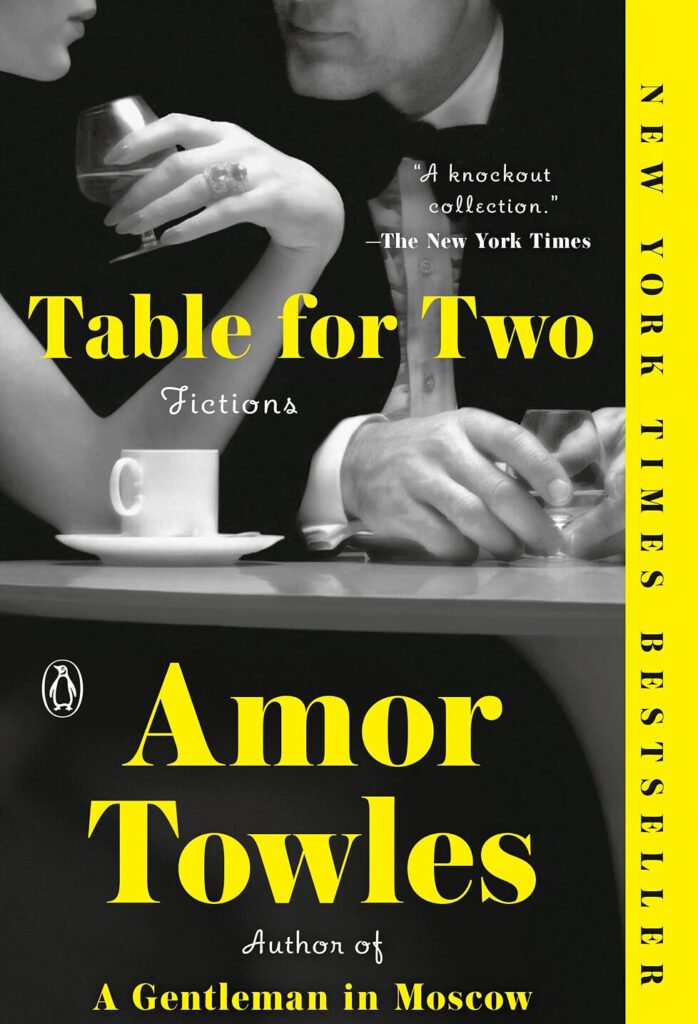
I also enjoyed Table for Two: Fictions (2024) by Amor Towles. Regular readers might recall my comments from 2022 on three novels written by Towles, Rules of Civility (2011), A Gentleman in Moscow (2016), and The Lincoln Highway (2021).*
I enjoyed the lyrical prose from Table for Two so much that I was inspired, as I am typically not prone, to read Towles’ three novels a second time. I was not disappointed; the stories remained fresh and entertaining.
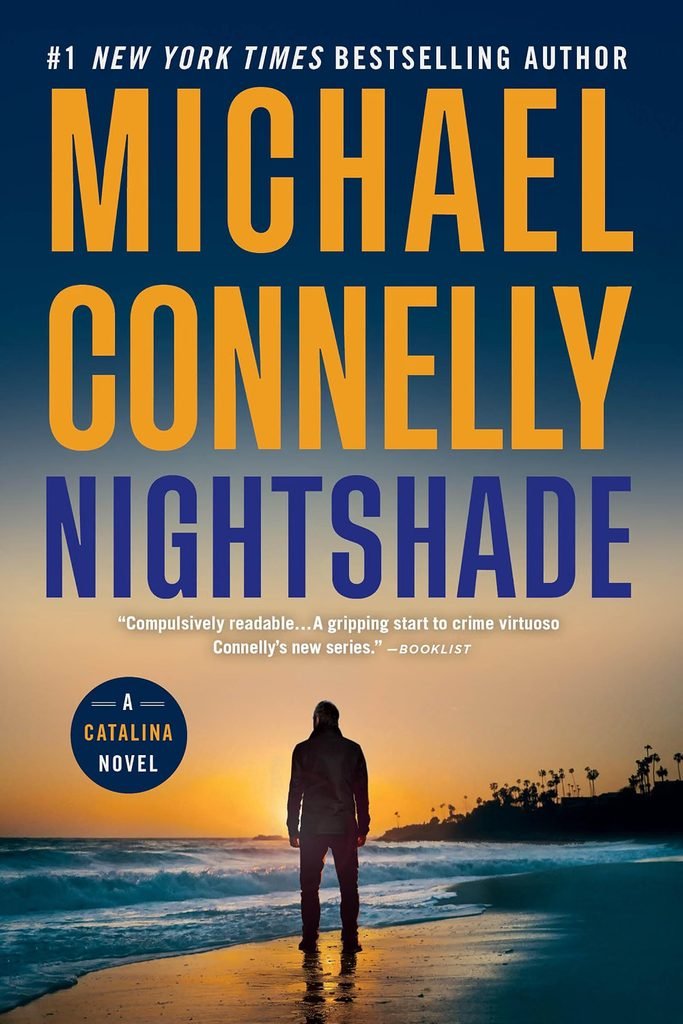
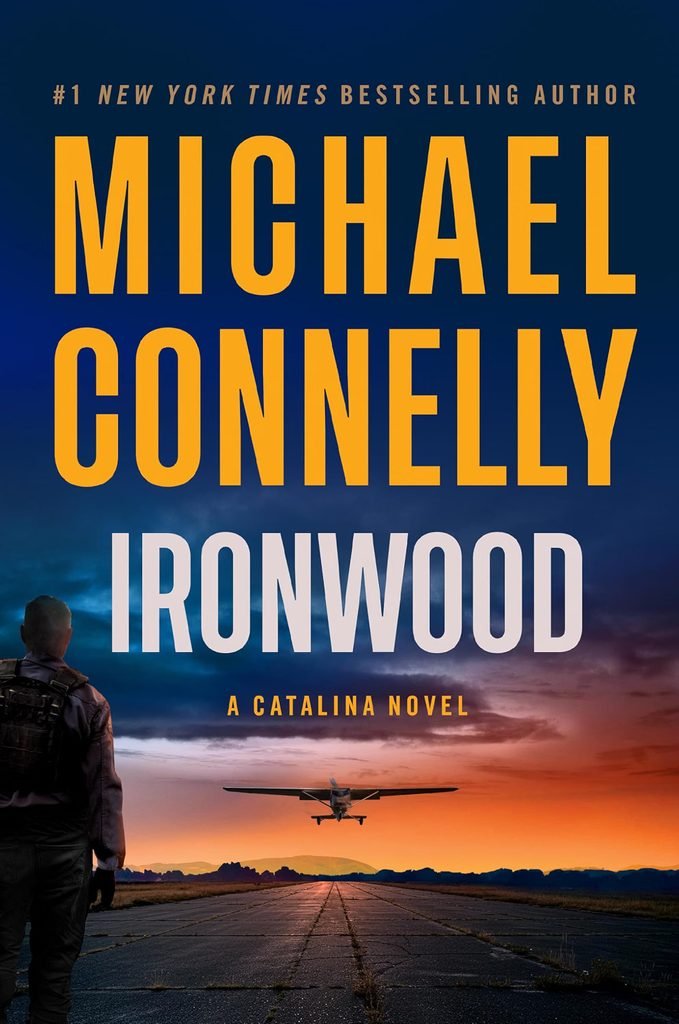
Finally, I’ve written several times about my love for the LAPD Detective Harry Bosch universe of books so I was delighted to discover Michael Connelly’s newest creation, LA Sheriff’s Detective Sergeant Stilwell, based upon a real-life friend of Connelly’s.
This fresh take has Stilwell stationed on Catalina Island, which is the LA Sheriff’s Department island of misfit toys. All the deputies stationed here have a big screw-up in their past although the various backstories are revealed hesitantly. Nightshade (2025) and Ironwood (2026) remind me of the early Harry Bosch books which began with Black Echo (1992). If this is your first word of Michael Connelly, I envy you the adventures that await you; and the gripping, often flawed characters you have yet to meet.
I would love to hear from you if any of these captivating books make it to your gift list or maybe even become your book club’s next selection.
Happy Dayz!